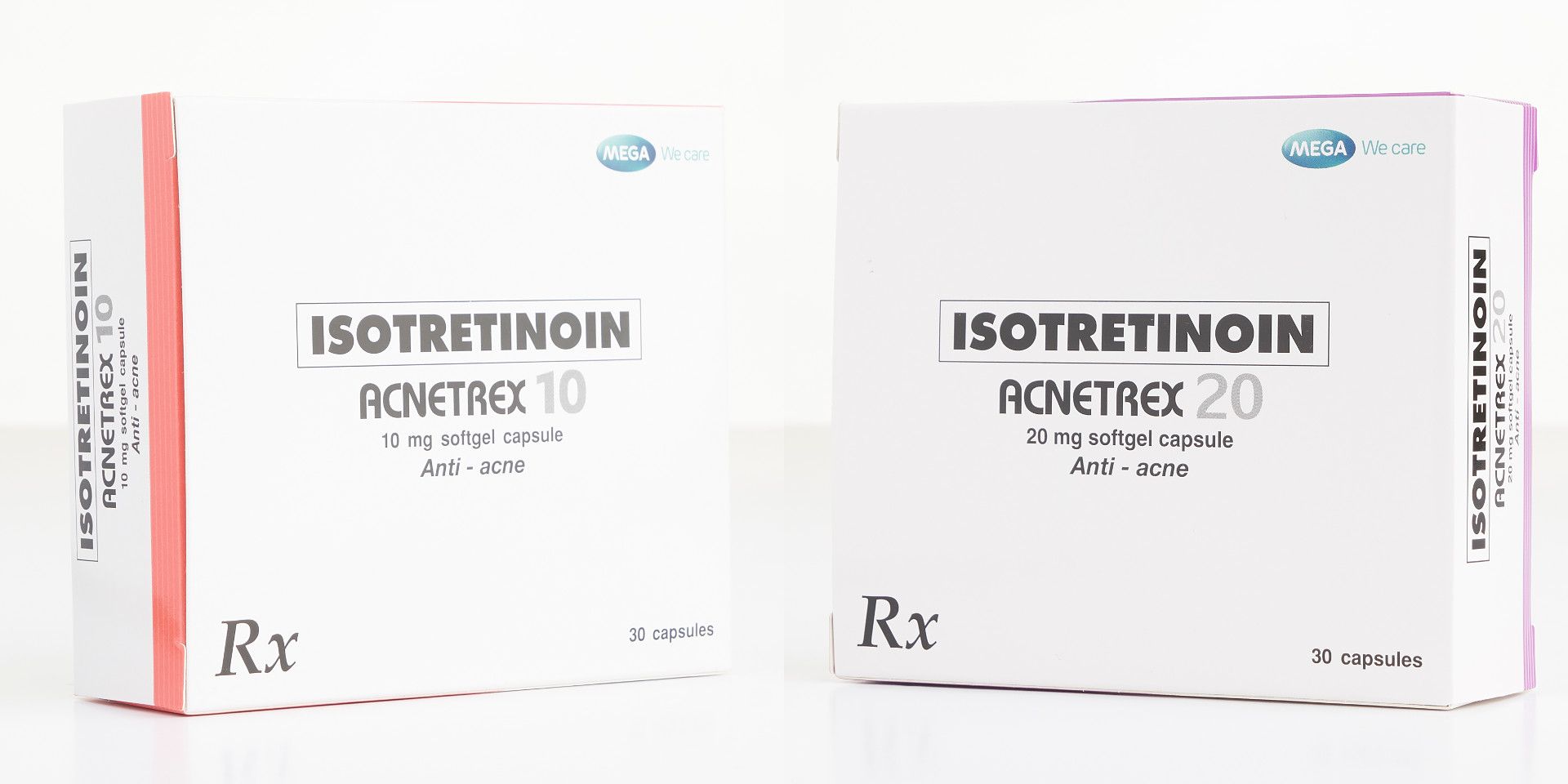
• ACNETREX

    10 mg and 20 mg softgel capsule
    (Isotretinoin)

    LEARN MORE

PRODUCT INFORMATION

Brand Name ACNETREX 10 and ACNETREX 20
Generic Name ISOTRETINOIN
Classification Rx Drug (Oral Anti-acne)
Components Isotretinoin 10
Isotretinoin 20
Indications Indicated for severe forms of cystic acne and acne conglobate, especially when the lesions involve the trunk. Effective in correcting severe keratinization disorders.
Dosage The usual adult dose is 0.5 to 1 mg/kg per body weight per day (in two divided doses) for 15 to 20 weeks. The maximum recommended dose is 2 mg/kg per body weight and may be required for those with very severe cases, or primarily located on the chest or back.
AAD: Recommends Standard Dose: 0.5 to 1.0 mg/kg per body weight per day for 20 weeks. Initiated at a starting dose 0.5 mg/ kg/day for the 1st month and increased to 1.0 mg/ kg/ day thereafter as tolerated by the patient.
EDF: Recommends Standard Dose: 0.3 to 0.5 mg/kg per body weight per day for at least 24 weeks (6 months).
Adverse Reactions Adverse reactions of Isotretinoin are dose-related. With recommended dosage, the risk/ benefit ratio is generally acceptable considering the severity of disease. Incidence more frequent: cheilitis (scaling, redness, burning, pain and other signs of inflammation of lips), epistaxis (nosebleeds) and skin infection. Symptoms associated with Hypervitaminosis A: Dryness of the skin, mucosae e.g.lips, the nasal mucosa, eyes. Vision Disturbances : photosensitivity, conjunctivitis, decreased night vision. Gastrointestinal: nausea, inflammatory bowel disease. Laboratory findings: Increase in serum triglyceride and cholesterol levels, hyperuricemia.
Contraindications Hepatic and renal insufficiency, blood donation by patient during and within 1 month of Isotretinoin use, Pregnancy and Nursing Mothers.
Drug Interactions Concurrent therapy with Isotretinoin and Vitamin A must be avoided. Supplementary treatment with Tetracyclines should be avoided.
Packaging Alu-alu blister back x 10s, 3 strips per box, Box of 30s
PRODUCT FEATURES BENEFITS
Acnetrex targets the 4 pathogenic factors of Acne Acnetrex effectively works in reducing oil production, acne lesions and inflammation when other treatment failed to work
Acnetrex is bioequivalent to the innovator brand Acnetrex offers the same efficacy and results in acne clearance with the innovator brand
Acnetrex is in 10 and 20 mg preparation Acnetrex offers flexibility of dosage – addressing compliance and convenience
TAGLINE The Most Trusted and Clinically Effective Treatment for Acne

FREQUENTLY ASKED QUESTIONS

  • How does Isotretinoin works?

    Isotretinoin combats all four major causes of severe acne vulgaris – excess oil production, clogged pores in the skin, too much of the bacteria P. acnes, and inflammation – making it more effective than other treatment options available. Isotretinoin directly targets the sebaceous gland by reducing the size by 90%, reducing the sebum excretion by 90%, decrease comedones by 50%, decrease in P acne by 80% and decrease inflammatory lesion by 90%.

  • What is the dosage of Isotretinoin and for how long the patient should take it?

    The usual adult dose is 0.5 to 1 mg/kg per body weight per day (in two divided doses) for 15 to 20 weeks. The maximum recommended dose is 2 mg/kg per body weight and may be required for those with very severe cases, or primarily located on the chest or back.

    AAD: Recommends Standard Dose: 0.5 to 1.0 mg/kg per body weight per day for 20 weeks. Initiated at a starting dose 0.5 mg/ kg/day for the 1st month and increased to 1.0 mg/ kg/ day thereafter as tolerated by the patient.
    EDF: Recommends Standard Dose: 0.3 to 0.5 mg/kg per body weight per day for at least 24 weeks (6 months).

  • Who should take Isotretinoin?

    Isotretinoin is usually reserved for people with severe acne vulgaris but can be considered for patients with moderate cases who remain uncontrolled despite taking other treatment available, there is scarring and psychosocial impairment.

  • Who should not take Isotretinoin?

    Isotretinoin should not be taken by pregnant women, and females who intend on becoming pregnant. Some of the possible birth defects include mental retardation, heart defects, undersized head, malformed ears, cleft lip, eye abnormalities, and facial deformation.

    It should be avoided also by lactating mothers since it is unknown what effect the small amounts of Isotretinoin contained within the breast milk may have on a developing baby.

    For those with elevated SGOT/SGPT, triglycerides, cholesterol, hyperuricemia, with diabetes, more frequent check of laboratory parameters is necessary.

  • My patient experience breakout during the course of Isotretinoin treatment and causes dissatisfaction.

    Patient can expect for their acne to get worse before it gets better. “Initial breakout” happens in the 1st week up to 2 weeks mark. After the initial breakout, it should be smooth sailing. Patient will soon experience the benefits of Isotretinoin and expect guaranteed successful acne treatment.

  • What are the most common side effects of Isotretinoin?

    Patient may experience some concerns while taking Isotretinoin. However, they are only temporary and will go away in a few days or weeks after treatment. Patient may experience initial breakouts for the 1st week to 2 weeks mark. Patient may experience cheilitis (scaling, redness, burning pain and other signs of inflammation of lips), epistaxis (nosebleeds), dryness of the skin, lips and eyes, decreased night vision.

  • Is medical laboratory testing needed to be performed every month since it is an added expense to the patient?

    Medical laboratory testing is needed prior to taking Isotretinoin. In healthy patients (normal baseline and liver function tests), repeat the laboratory monitoring after 2 months. If findings are still normal, no further testing is required. But for those with abnormal baseline and abnormal after 2 months, more frequent monitoring is required

  • My patient had taken Isotretinoin for 16 weeks, and I want to continue again the treatment, is there interval needed or the patient can automatically resume the treatment?

    There should be an interval of at least 8 weeks before restarting the treatment and should be resumed in accordance with the dosage guidelines

  • What are the precautions needed in taking Isotretinoin?

    Isotretinoin should be taken with food for better absorption, to avoid nausea, stomach cramps or vomiting.

    If the patient missed a dose, just advise to skip it and take the pill on the next scheduled time.

    Patient should not take any Vitamin A supplement.

    Patient should not do not blood during treatment and 1 month after treatment.

    Women who are sexually active should consider using two forms of birth control to prevent pregnancy. For those with plans of getting pregnant, patient should wait at least 1 month after stopping Isotretinoin intake.

  • What is the youngest age group to take Isotretinoin?

    Recommendations suggest that Isotretinoin should not be used below 12 years old. However, there are some who are advocating the use of Isotretinoin below this age group especially if it is severe and scarring acne and already impacts the psychosocial well- being of the patient.

© Copyright - Acnetrex