What Is Isotretinoin?
Aliquam vel condimentum est. Nulla facilisi. Nullam pretium metus erat, at congue mi placerat semper. Quisque sodales nibh aliquam, euismod ante et, sodales nunc.



Oral isotretinoin (13-cis-retinoic acid) was first approved as treatment for severe acne by the US Food and Drug Administration (FDA) in 1982. It is the only therapy that impacts on all of the major aetiological
factors implicated in acne. It results in a significant reduction in sebum production, influences comedogenesis, lowers surface and ductal P. acnes and has anti-inflammatory properties.1
Oral isotretinoin has no direct antimicrobial action, but by dramatically reducing the size of the pilosebaceous duct it alters the microenvironment within the duct making it much less favorable to colonization with P. acnes. It has also been suggested that like all-trans-retinoic acid, isotretinoin might increase host defense mechanisms and modifies monocyte chemotaxis, which in part explains the anti-inflammatory effects of the drug.2 The significant reduction in the P. acnes population also contributes to the reduction in acne inflammation.
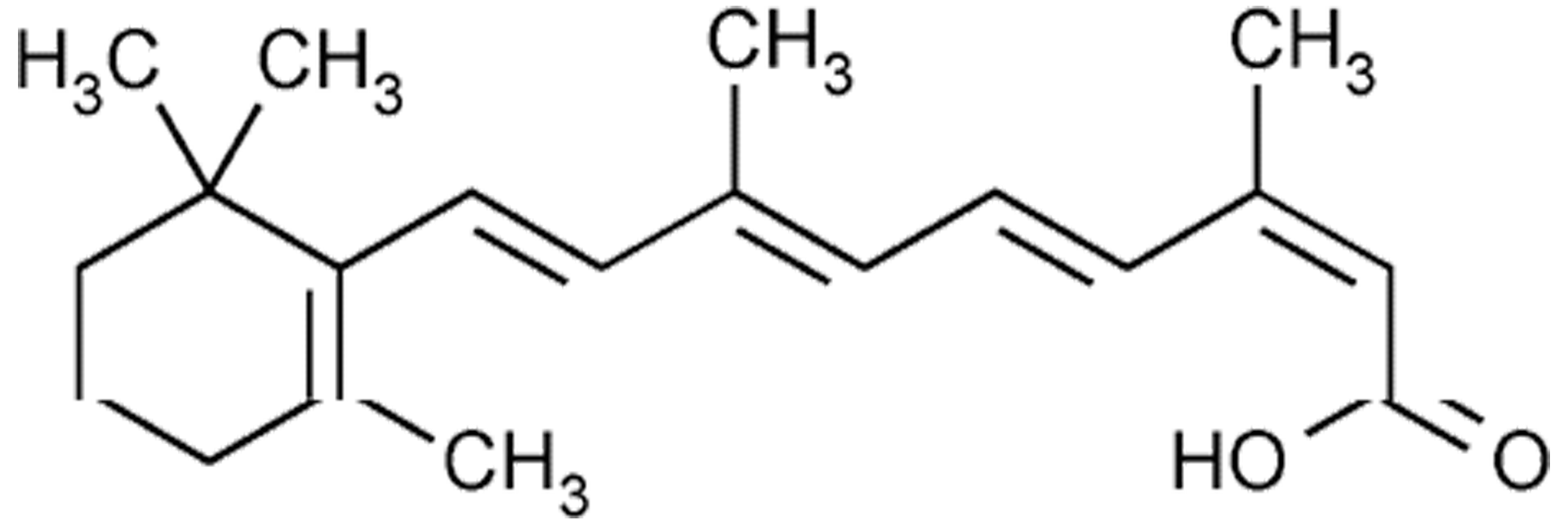
Isotretinoin currently has a license to treat severe acne as a second line agent in cases unresponsive to other combination therapies including antibiotics.4 Over the years experienced clinicians have prescribed isotretinoin first line to treat severe cases of acne, those with poor prognostic features as well as some acne related conditions.
Responsible prescribing of Isotretinoin by clinicians, compliant use and follow up by patients, and vigilant dispensing practices by pharmacists underscore the safe and effective usage of this agent. Despite challenges related to teratogenic properties, known potential side effects, and alleged adverse reactions, Isotretinoin remains available under the iPLEDGE program, including in females of childbearing potential, without restrictions on indication and duration of use, provided the mandated rules of the iPLEDGE program are followed by the registered prescriber, patient, and pharmacist.
Isotretinoin is a prescription drug and indicated for severe acne, it is therefore recommended to seek medical advice prior, during and after treatment to ensure patients safety and compliance.
Oral Isotretinoin is given at 0.5 to 1 mg/kg of body weight per day (in two divided doses) for 15 to 20 weeks. Dermatologist will then provide proper dose requirement particular to each patient, thus, sharing of prescriptions are not allowed. Aside from the initial dose recommendation, laboratory tests are also required before taking Isotretinoin therapy. During this initial stage, your Dermatologist will conduct medical history profile as well as lipid and liver function tests to be documented for further evaluation during the treatment course. Female patients are also asked to do pregnancy test as precautions. It is also important to discuss the risks, possible side effects and teratogenicity associated with the drug before starting the therapy. Since Isotretinoin became available under the iPledge Program, Dermatologists will responsible in facilitating patients’ registration.
As the patient starts the Isotretinoin therapy, continues monitoring will be conducted by their Dermatologists to ensure compliance and to track progress. They are much needed in this stage since some patients may develop adverse reactions while on therapy. Early management of side effects will relieve the patient from the inconveniences that they may experience along with their Isotretinoin therapy. Depending on the reactions seen by the doctor, a patient may ask to lower the dose or stop treatment.

When treatment stops, Isotretinoin remains in the bloodstream and usually clears up at around 4-5 days and most of its by-products will be eliminated in 10 days. However, some people may take it longer to clear the Isotretinoin within their body, thus, having a 1 month clearance would be advisable for patients who would like to get pregnant or donate blood. Patients were also advised that side effects may no longer be experienced a few days or weeks after the cessation of treatment. Dermatologists also manage expectations from patients after taking Isotretinoin. It is important to discuss that there might be a possibility of acne relapse within 9-12 months after treatment.
Isotretinoin remains to be valuable and efficient in treating moderate to severe acne if patient compliance and guidance from healthcare providers are properly observed. Just like any other treatments, patients and doctors coordination would greatly maximize the clinical benefit that one may gain from the treatment.
 Mucocutaneous
 Vision Disturbances
 Gastrointestinal
 Psychiatric
There are side effects associated with the use of Oral Isotretinoin. Some of which are, dryness of the skin, lips and palm, itching of the skin, increased sensitvity to the sun, decreased night vision or dry eyes, nose and gum bleeding. Some also experience acne flares during the first few weeks of Isotretinoin use.
The mucocutaneous side effects are dose dependent and can usually be controlled with regular use of moisturizers and lip salves. Artificial tears also help in keeping your eyes moisturized in cases of dryness. Occasionally retinoid dermatitis, a severe retinoid cheilitis or conjunctivitis occur, often complicated by secondary infection with S. aureus. These patients may need treatment with an intermediate-strength steroid ointment combined with an antiseptic. If there is impetiginization, oral anti-staphylococcal therapy such as flucloxacillin and/or topical mupirocin 2% ointment may be required.
An acute flare of acne early in a course of isotretinoin is a recognized problem in about 6% cases and is clinically significant in half of these. The physician should inform patients accordingly and provide a fast track follow up should this problem occur as these flares can be very aggressive producing physical and psychological difficulties. Predisposing risk factors for a flare include the presence of macrocomedones and nodules.
It is also reported that depression and mood changes are being observed with those acne patients who are ongoing medication. Two studies that looked at spontaneous reports of side effects for the FDA in the USA found little or no increase in psychiatric disease including depression and suicide over the background prevalence in the adolescent population. A further study of general practice databases in Canada and the UK showed similar findings as have subsequent studies.

Established in 1982, Mega Lifesciences public company limited is actively involved in helping millions of people have access to safe, effective, world class quality nutritional & herbal supplements, OTC and ethical products.